
Showing top 0 results 0 results found
Showing top 0 results 0 results found


The best straightforward product review websites buy their own test units and publish honest, unbiased opinions. Pair your review content with a strong affiliate program — like the Text® Partner Program — and turn helpful advice into recurring income.

If you’ve ever spent 45 minutes reading product reviews before buying a $30 item, you’re not alone. Studies consistently show that nearly 97% of consumers check reviews before making a purchase. Reviews shape buying decisions, build trust, and — if you’re on the right platform — can build a real income stream for you.
But here’s what most “best product review websites” articles miss: the platform you choose isn’t just about where to read honest opinions. It’s about where your content gets seen, how you get credited for referrals, and what that earns you long term.
This guide covers the 12 best product review websites worth your time in 2026, what makes each one trustworthy, and the earning opportunities they offer — including how the Text® Partner Program stacks up as one of the best affiliate options you can pair with confidence with any review content you’re already creating.
Quick comparison table
| Site | Best for | Earn money? | Commission/payout |
|---|---|---|---|
| Wirecutter (NYT) | In-depth gear testing | Yes (affiliate) | Varies by product |
| Consumer Reports | Unbiased consumer advocacy | No direct affiliate | Subscription-based |
| RTINGS.com | Electronics and TVs | No direct affiliate | Free + paid membership |
| CNET | Tech and electronics | Yes (affiliate) | Varies by product |
| Amazon Customer Reviews | All-category shopping | Yes (Amazon Associates) | Up to 10% per category |
| Trustpilot | Brand/business reviews | No direct affiliate | Business subscription model |
| G2 | B2B software | No direct affiliate | Review incentive programs |
| Capterra | Business software | No direct affiliate | PPC advertising for brands |
| Good Housekeeping | Home, beauty, family | Yes (affiliate) | Varies by product |
| BestProducts.com | Cross-category lifestyle | Yes (affiliate) | Varies by product |
| Byrdie | Beauty and skincare | Yes (affiliate) | Varies by product |
| Text® Partner Program | SaaS/customer service tools | Yes — recurring lifetime | Up to 22% recurring commission |
Why the platform you choose matters
Not all review sites are equal. Some buy their own test units independently; others accept cherry-picked units directly from manufacturers, which can skew results. Some sites rely on millions of unverified user opinions; others send experts to spend hours testing a single product before publishing.
For readers, that difference matters for one purchase. For affiliates and content creators, it matters for your reputation and your income. Recommending a platform known for honest reviews protects your credibility. And picking one with solid affiliate structures protects your bottom line.
Here’s a look at the sites worth putting on your list.
Join us to earn money!
Increase your revenue by spreading the word about our products.
Wirecutter
Wirecutter, now part of The New York Times, is probably the most cited name when people talk about trustworthy product testing. The team buys all the products they review — no manufacturer sends them free samples to influence the outcome. Researchers spend hours testing across dozens of items in a category before settling on a single “best for most people” pick.
The site covers everything from kitchen gear and mattresses to laptops and baby products, always with the same rigorous format. If you’re a content creator in the home, tech, or lifestyle space, placing affiliate links through Wirecutter’s methodology as a reference builds instant credibility with your audience.
Earning opportunity: Wirecutter earns through affiliate commissions embedded in its product recommendations. As a publisher yourself, you can reference Wirecutter’s findings and link to the same products through your own affiliate program.
Consumer Reports
Consumer Reports is the original independent review organization. Founded in 1936, it’s been testing everything from cars to washing machines using a nonprofit model — no advertising, no sponsored content, no manufacturer funding. Their testing institute buys products off retail shelves and subjects them to standardized tests.
The site covers 10,000+ products across hundreds of categories, and their ratings carry real weight with American consumers. It’s one of the few review platforms where “recommended” actually means something distinct.
Earning opportunity: Consumer Reports doesn’t run a direct affiliate program. Their model relies on subscriptions ($44/year for digital access). However, citing Consumer Reports findings in your own review content adds authority and can drive traffic to your affiliate-linked recommendations.
RTINGS.com
RTINGS.com is the most methodical review site on the internet for electronics, TVs, headphones, and monitors. Every product goes through the same standardized battery of tests — the community votes on what gets reviewed next, and the lab buys units directly, so manufacturers can’t cherry-pick samples.
They publish their test methodology, photos of the setup, and all raw data publicly. If you’re a tech reviewer trying to explain why one TV is better for gaming than another, RTINGS is the reference your audience already trusts.
Earning opportunity: RTINGS runs a paid membership model for unlimited access to test tools and comparison features. As a content creator in the tech space, linking to RTINGS data adds credibility to your own affiliate-driven reviews — especially for high-ticket items like TVs, where commissions can be significant.
CNET
CNET has been covering consumer technology since 1994. Their team reviews smartphones, laptops, smart home gear, streaming services, and more, with a mix of expert editorial and user ratings. The site reaches tens of millions of readers monthly and consistently ranks for high-intent search terms.
If you’re creating content around tech products, CNET is the reference point most of your readers already know. Aligning your content with CNET’s coverage helps you rank for the same long-tail keywords while differentiating with your own angle.
Earning opportunity: CNET actively uses affiliate links throughout its content, earning commissions when readers purchase through their recommendations. As a tech affiliate, you can reference CNET reviews and capture adjacent search traffic with your own linked recommendations.
Amazon Customer Reviews
Amazon Customer Reviews launched customer reviews in 1995, making it one of the oldest and largest user-generated review platforms in the world. Across all product categories — electronics, beauty, home, tools, kids’ toys, gear — Amazon hosts hundreds of millions of reviews from verified purchasers.
The quality of reviews varies wildly (fake reviews remain a real problem), but the sheer volume means patterns emerge. Looking at the distribution of one-star and five-star reviews together gives a clearer picture than any single opinion.
Earning opportunity: Amazon Associates is one of the easiest affiliate programs to start with. You earn up to 10% commission on qualifying purchases, depending on the product category. Cookie duration is 24 hours, which is short, but Amazon’s conversion rates are high enough to make it work for most content creators.
Trustpilot
Trustpilot hosts over 300 million reviews of businesses and brands, not individual products. If a consumer wants to know whether a company’s customer service is reliable before buying, Trustpilot is where they look. The platform is used heavily in ecommerce, SaaS, finance, and travel.
What sets Trustpilot apart is transparency — businesses can’t delete negative reviews, and the platform’s fraud-detection algorithm flags suspicious activity. Brands can respond publicly to reviews, creating a two-way conversation that builds accountability.
Earning opportunity: Trustpilot doesn’t run a consumer affiliate program. Their revenue model is built around business subscriptions. However, if you’re a content creator writing about customer experience tools or business software, referencing Trustpilot ratings is a trust signal your readers recognize — and you can pair your own affiliate links to relevant tools alongside that coverage.
Join us to earn money!
Increase your revenue by spreading the word about our products.
G2
G2 is the leading review platform for B2B software, with over 2 million verified user reviews across thousands of software categories. Reviewers authenticate through LinkedIn or verified business emails, and the platform’s moderation team manually reviews each submission before publishing.
For anyone creating content around business tools, productivity software, or customer service platforms, G2 is where your audience does their research. A product’s G2 rating often determines whether it makes a vendor shortlist.
Earning opportunity: G2 doesn’t have a direct affiliate program for publishers. But if you write about software categories where Text® products (Text app, LiveChat, ChatBot, HelpDesk) are listed, referencing G2 ratings alongside your Text Partner Program affiliate links is a smart combination — you get the credibility of verified reviews and the revenue from your affiliate commission.
Capterra
Capterra works similarly to G2, focused on business software. With over 500 product categories and hundreds of thousands of verified user reviews, it’s one of the first places businesses go when evaluating tools for customer support, marketing automation, or project management.
Capterra also ranks well in Google for software category terms, which means listings there have SEO value. Brands listed on Capterra can run pay-per-click advertising within the directory to increase visibility.
Earning opportunity: Like G2, Capterra doesn’t run a publisher affiliate program. For content creators, the play is using Capterra data to add authority to your software reviews, then monetizing through affiliate programs for the tools you’re writing about.
Good Housekeeping
Good Housekeeping has been testing household products for over 130 years. The Good Housekeeping Institute tests everything from cookware and vacuums to beauty products and baby gear in its own labs. Their famous “Good Housekeeping Seal” is one of the most recognized endorsements in consumer goods.
The site attracts millions of readers in the home, parenting, beauty, and food categories, making it a strong reference point for lifestyle content creators.
Earning opportunity: Good Housekeeping monetizes through affiliate links embedded in product roundups and recommendations. As a lifestyle content creator, you can build review content that complements and competes with Good Housekeeping’s coverage, linking to the same products through your own affiliate accounts.
BestProducts.com
BestProducts.com, part of the Hearst network, covers product recommendations across tech, fashion, beauty, home, and gifts. Their editorial team researches and tests products based on market data and consumer feedback, covering a broad range of categories in a digestible format.
The site is particularly strong for gift guides and “best of” roundups — high-conversion formats that perform well in organic search around seasonal moments.
Earning opportunity: BestProducts monetizes through affiliate links across all categories. For content creators, this is a direct competitor and a model to study. The categories they cover — gifts, beauty, tech, home — all have strong affiliate programs with commission rates worth building around.
Byrdie
Byrdie is the leading editorial review site for beauty and skincare, attracting a highly engaged audience of beauty enthusiasts looking for honest opinions on everything from moisturizers to hair tools. Their team tests products with the same rigor you’d expect from a dedicated beauty publication.
The beauty and skincare affiliate space is one of the more lucrative niches, with high average order values and loyal repeat buyers.
Earning opportunity: Byrdie earns through affiliate commissions on product recommendations. If you’re creating content in the beauty space, Byrdie sets the standard — and the same affiliate programs they use (Sephora, Ulta, brand-direct programs) are available to independent creators.
Join us to earn money!
Increase your revenue by spreading the word about our products.
The one review platform your article is missing
If you’re a content creator writing about customer service tools, business software, or AI products, there’s a category of product review that pays significantly better than most categories above.
SaaS affiliate programs — particularly in customer service and AI tools — offer recurring lifetime commissions rather than one-time payouts. And that changes the math considerably.
The Text® Partner Program covers Text app, LiveChat®, ChatBot, and HelpDesk, tools in the customer service software space. As an affiliate, you earn 20% recurring commission on every subscription payment your referred customers make, for the lifetime of that customer. After five paying customers, the rate increases to 22%.
The 120-day cookie window means if someone clicks your review link and subscribes within four months, you get credited. And because the average Text customer stays for around three years, a single conversion keeps paying long after the article that drove it.
Compare that to a one-time 4% commission on a $50 product. The math isn’t close.
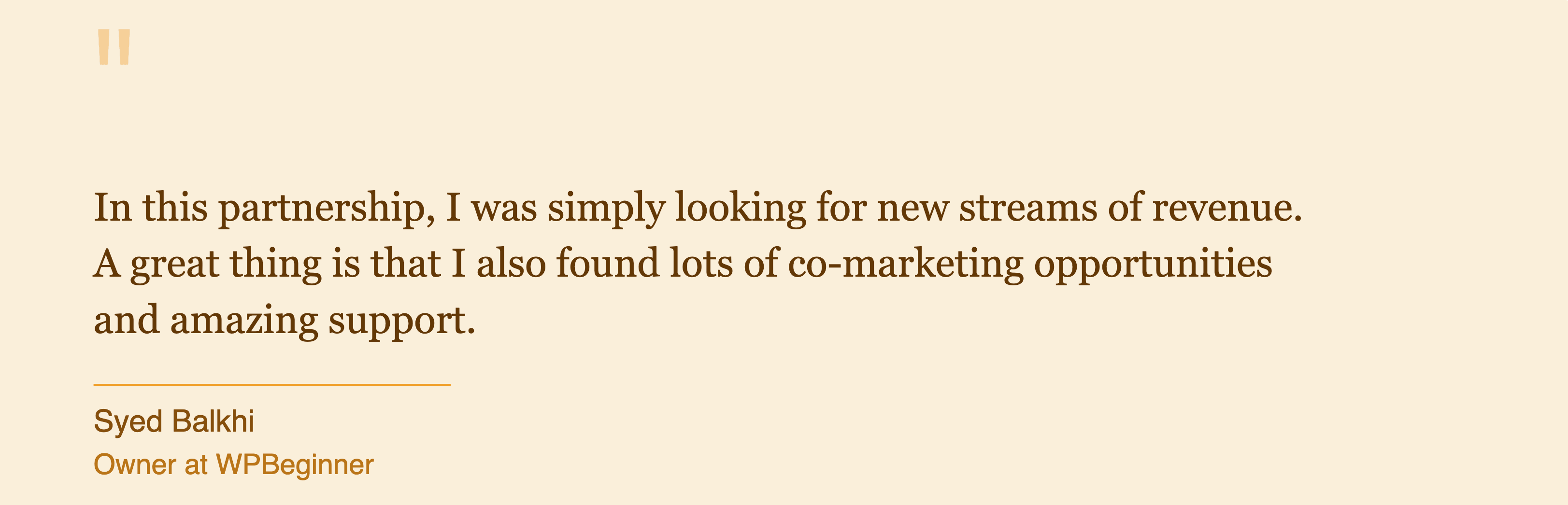
Partners also get access to ready-made promotional materials, a campaign builder, performance tracking, and 24/7 support through the Partner app. There are no restrictions on how you market, so you can write product reviews, comparison articles, or how-to content in whatever format works for your audience.
How to put this to work
Reading this list with fresh eyes, the pattern is clear. The best product review websites earn trust by being genuinely independent, transparent about their methodology, and focused on helping readers make smarter decisions. That same approach works for affiliate content creators.
Pick two or three platforms from this list that match your niche. Reference their data to add authority to your own review content. Build your own affiliate revenue on top.
And if you’re writing about business software or AI tools, the Text® Partner Program is worth adding to your affiliate stack. The commission structure, the cookie window, and the product quality make it one of the more reliable long-term earners in the space.
Join the Text Partner Program — it’s free to sign up, and your first commission can come from the very first article you publish.
FAQs
Which product review websites give the most honest and unbiased opinions?
Wirecutter, Consumer Reports, and RTINGS.com are consistently the most trusted for honest reviews. They buy all the products they test — no cherry-picked units from manufacturers — and publish their full methodology. That transparency is what separates genuinely helpful advice from paid promotion dressed up as a review.
What do the best review sites actually test?
The best sites test all the products in a category before recommending one. Reviewers spend hours testing gear across real-world conditions — not just spec sheets. RTINGS.com even publishes photos and videos of their setup so you can verify the results yourself. That’s the kind of research that actually protects your money.
Can I earn money by writing reviews on these sites?
Most of the big review sites don’t pay contributors directly, but you can earn by building your own review site and monetizing it with affiliate links. The Text® Partner Program, for example, pays up to 22% recurring commission for life — far more than a one-time payout on a physical product purchase.
Are free review platforms worth using, or do I need paid membership?
Free platforms like Amazon Customer Reviews and G2 give you access to millions of opinions across almost every category. Paid platforms like Consumer Reports offer more rigorous, independent research. For most people searching online before a purchase, the free options deliver more than enough to make a confident buying decision.
How do I know if a review website is trustworthy?
Look for sites that buy their own test units, disclose affiliate relationships, and publish their methodology. Brands and manufacturers should not be able to suggest or influence which products get recommended. If a site posts mostly five-star results with no criticism, that’s a clear sign the reviews aren’t independent.