
Showing top 0 results 0 results found
Showing top 0 results 0 results found



Picking a digital marketing niche sounds straightforward until you actually try to do it.
You find something with decent search volume, spend three months building content around it, and then realize you’re competing against agencies with five-figure monthly ad budgets and domain authority you won’t catch for years. The niche wasn’t wrong. The timing was. Or the angle. Or both.
The niches worth pursuing in 2026 aren’t necessarily the ones with the most demand. They’re the ones where demand is growing, competition hasn’t caught up yet, and the businesses operating in that space genuinely need what you’re offering.
That’s the filter this article uses. You’ll find 20+ specific niches that hold up against that standard, a framework for evaluating any niche before you commit to it, and a breakdown of the industries where digital marketing expertise is most in demand right now. Two of those niches connect directly to some of the fastest-growing tools in customer communication, and we’ll show you exactly how to turn them into a recurring income stream through the Text® Partner Program. No niches picked for clicks. No list padded to hit a word count. Just the ones worth your time.
Understanding niche profitability and competition
Niching down doesn’t mean you’re stepping into some magical land where there’s zero competition. What it actually means is that you’re entering a smaller, more focused space where the competition is much more manageable. It’s about finding your own little corner of the market and standing out.
Instead of competing with huge, established brands in a broad niche like “digital marketing,” you zoom into something more specific like “email marketing automation for eCommerce” and focus all your efforts there. You're not eliminating competition completely. You’re just making it easier to compete and win.
Do competitor analysis
Competitor analysis and market research become your secret weapon once you’ve picked a niche idea. This isn’t about casually stalking their social media. It’s about getting strategic and digging deep to uncover:
- What they’re doing well
- Where they’re falling short (Hint: This is your opportunity!)
Here’s what to focus on:
- Website analysis: Review competitors’ websites to understand how they position their offerings. Look at their content topics, tone, and engagement levels.
- Content gap analysis: Identify topics they cover well and areas they overlook. This can reveal opportunities to provide better or additional content.
- Backlink and SEO metrics: Use SEO tools to examine competitors’ keyword rankings and backlink profiles. This information helps determine the difficulty of ranking for specific terms and highlights areas where you might gain a competitive advantage.
If you find any gaps, you step in, providing what they’re missing and positioning yourself as the go-to expert in that space.

Profitability + competition = The sweet spot
A profitable niche isn’t just about finding something people want. It’s about making sure there’s room for YOU to thrive. Here’s how to assess both profitability and competition:
- Search volume and trends: Ensure that there is a steady or growing level of interest.
- Cost‑per‑click (CPC) and conversion potential: High CPC values or proven conversion rates indicate a commercially attractive niche.
- Engagement metrics: Predict future demand by looking at website traffic, social media engagement, and content performance.
Data‑driven decision-making means using these numbers to validate your assumptions. For example, if the data shows that interest in “local SEO for small businesses” is growing steadily and competitors are not deeply addressing subtopics (such as “SEO for real-estate businesses in Florida”), this niche might be ripe for entry. Finding a growing niche with some competition (but not too much) is a strong sign you’re on the right track.
Why being in a specific niche makes everything easier
Here’s the beauty of niching down: it simplifies everything. You’re no longer trying to appeal to everyone. Instead, you’re speaking directly to a well-defined audience.
- Targeted content becomes easier to create and more impactful.
- Ad campaigns cost less because you’re not competing in crowded spaces.
- Building authority happens faster when you specialize.
Once your foundation is solid, all kinds of opportunities start opening up. And that’s when the real fun begins: brainstorming niche ideas that you can dominate!

Top digital marketing niches for today and tomorrow
As you already know, there are many popular niches in the digital marketing industry, such as SEO, PPC, email marketing, content marketing, social media marketing, and affiliate marketing. Search engine optimization helps businesses rank higher on search engines and drive organic traffic, while PPC is all about running paid ads to get immediate visibility.
Then there’s email marketing, which focuses on building relationships and boosting conversions through targeted email campaigns. And, of course, content marketing is about creating valuable content to attract and engage an audience.
You probably already know these niches because they’re everywhere. But they’re super competitive. So you can narrow them down even further. Instead of general SEO, think local SEO for plumbers or real estate businesses in New York. It’s all about finding a point where demand is high but competition is manageable. Let’s break down some of those specific, less-saturated, lucrative digital marketing niches.
1. Local SEO for niche businesses
Imagine being the go-to person who helps local businesses like dentists, hair salons, or cozy little restaurants appear when someone searches for them online. That’s what local SEO is all about. These businesses rely on local customers.
As a service provider, you’ll optimize their Google Business Profile, build local citations, and fine-tune their website with local keywords. Whether it’s a dentist who wants to rank for “emergency dentist in Brooklyn” or a family-owned restaurant targeting “best vegan pizza in Portland,” your job is to help them stand out in a competitive local market.
Businesses love this because it translates directly into more customers walking through their doors. And trust me, the demand is growing fast!
2. Voice search optimization
“Hey Siri, find me a nearby bakery.” Sound familiar? Voice search is booming, thanks to virtual assistants becoming part of our daily lives. As a voice search optimization specialist, your job is to help businesses tailor their content so it’s voice-friendly and easily picked up by these devices.
It’s a whole new game. You’ll focus on long-tail conversational keywords, ensuring content answers specific, spoken questions. You’ll also help businesses improve site speed and mobile usability since these factors greatly influence voice search rankings.
Also, voice search is still relatively new, so businesses that get on board early have a huge advantage, and you’ll guide them there!
3. Chatbot and conversational marketing solutions

-> Read about how Wembley Stadium earned over $1.5M with ChatBot
Customer expectations have shifted. People landing on a website at 11pm don’t want to fill out a contact form and wait until morning. They want an answer now. Businesses that can’t deliver that lose the sale to someone who can.
That’s the gap chatbot marketing fills. And it’s a gap most businesses know they have but haven’t solved yet.
As a chatbot marketing specialist, you help businesses build automated conversation flows that handle the interactions their team can’t always be available for. FAQ responses, lead qualification, product recommendations, booking confirmations. Done well, a chatbot doesn’t feel like a workaround. It feels like a natural extension of the brand.
The demand is there across almost every industry. eCommerce stores use bots to recover abandoned carts and recommend products. Service businesses use them to qualify leads before a human ever picks up the conversation. SaaS companies use them to onboard new users and reduce support volume. Whatever the use case, the businesses that adopt this early have a real advantage over those still relying on contact forms and email queues.
Wembley Stadium is a good example of what’s possible at scale. They used ChatBot to handle high volumes of visitor inquiries and generated over $1.5M in revenue through automated conversations. That’s not a small result for what is essentially a customer service tool.
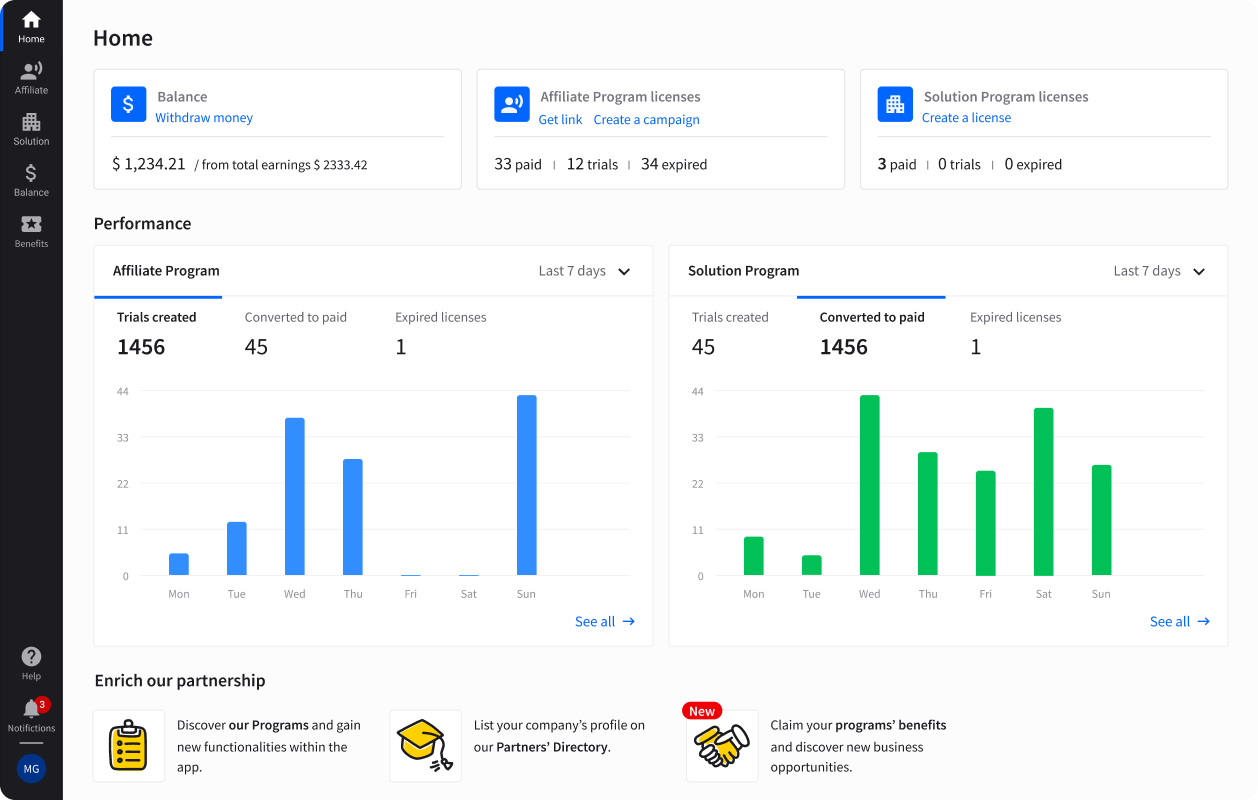
If you’re building a practice in this niche, ChatBot is worth starting with. It’s visual, template-driven, and doesn’t require any coding to get a working bot live. You can test it for free, see what it does for your own workflow, and then start offering it to clients with the context of someone who has actually used it. As a Text® Partner, you earn recurring commission every time a client you refer stays subscribed. Given that chatbot automation tends to become deeply embedded in how a business operates, churn is low and lifetime value is high. It’s one of the niches on this list where the earning potential compounds meaningfully over time.
Your clients need this. You can be the one who delivers it.
ChatBot handles the conversations your clients' teams can't always be available for.
4. Micro-influencer marketing
Forget celebrity influencers with millions of followers. Micro-influencers, those with smaller but highly engaged audiences, are where the real magic happens. These influencers often have a loyal community that trusts their opinions, making them perfect for niche brands.
As a micro-influencer marketing strategist, you’ll connect businesses with influencers who align with their brand and audience. You’ll manage partnerships, plan marketing campaigns, and track performance to ensure they get the most bang for their buck.
For example, a vegan skincare brand might collaborate with a beauty influencer with 15,000 followers but consistently get high engagement. That kind of targeted promotion can drive serious results. Also, micro-influencer campaigns are more affordable and often feel more authentic than those big-name sponsorships.
5. Podcast marketing
Podcasts are exploding in popularity, and it’s not just big networks cashing in. Small, niche podcasters are thriving, too. But growing and monetizing a podcast isn’t easy.
That’s where you’ll help podcasters build their audience, increase downloads, and monetize through sponsorships and affiliate marketing. This could involve creating content strategies, optimizing podcast SEO (yes, that’s a thing!), and running social media campaigns to promote new episodes.
Want to take it a step further? Help them repurpose podcast content into blog posts, YouTube videos, or social media snippets. Podcasters are busy creating great content. They need someone like you to handle the growth side. And with more people jumping on the podcasting train, the market demand for these services only increases!
6. Online communication

Every business with a website has the same problem. Visitors arrive, look around, and leave without ever making contact. Not because they weren’t interested. Because there was no easy way to start a conversation at the moment they were ready to have one.
That’s the problem live chat solves. And it’s why online communication has become one of the most practical niches a digital marketing specialist can build a practice around.
The work itself is concrete. You help businesses set up and optimize live chat on their websites, configure routing rules so conversations reach the right person, train teams on how to handle chats effectively, and build the reporting habits that show clients what’s actually working. It’s implementation and strategy in equal measure, which makes it a service that commands real fees rather than just a setup job.
The client base is broad. eCommerce stores use live chat to catch hesitant buyers before they abandon. SaaS companies use it to convert trial users into paying customers. Service businesses use it to qualify leads before investing time in a call. Whatever the industry, the underlying need is the same: faster, more personal communication at the moment a potential customer is most engaged.
LiveChat® is the tool most worth building your practice around in this niche. It’s used by 35,000+ businesses globally, which means your clients are joining a platform with a proven track record rather than taking a chance on something unproven. It handles multiple simultaneous conversations, integrates with the tools most businesses already use, and includes the analytics you need to show clients a clear return on what they’re paying for.
Sephora is one example of a brand using LiveChat to deliver that kind of experience at scale. Milena Wojewoda, Digital Project Specialist at Sephora, says, “We liked the intuitive and easy-to-use interface, as well as the fact that we could give our customers the chance to rate our consultants.” That combination of ease and accountability is exactly what you’d be selling to clients.
As a Text Partner, you earn up to 22% recurring commission on every client you refer to LiveChat. Because live chat becomes part of how a business operates day to day, clients tend to stay subscribed for the long term. The average referred customer stays around three years. Build a small roster of clients in this niche and the recurring income adds up faster than most project-based work ever does.
Turn this niche into a recurring income stream.
Every client you refer to LiveChat stays subscribed for an average of three years.
7. Video Marketing for short-form content
Short-form content is ruling the internet right now. TikTok, Instagram Reels, and YouTube Shorts are where brands are grabbing attention and going viral. As a short-form video marketing specialist, you can help businesses create engaging, bite-sized videos that pack a punch.
It’s not just about dancing trends (although those can work, too!). The key is storytelling, whether it’s showcasing a product, sharing a customer testimonial, or offering quick tips. You can help brands plan and create content that’s fun, authentic, and optimized for each platform’s algorithm.
Plus, short-form videos get massive organic reach. So, whether it’s a small local boutique or a growing online brand, short-form content is the fastest way to build awareness. Trust me, with the right strategy, even a 15-second video can do wonders!
8. Affiliate marketing for niche products
Affiliate marketing is everywhere, but it’s all about finding the right niche. Instead of joining overcrowded markets like beauty or fitness supplements, you can help businesses target specific product categories that aren’t already flooded with affiliates. Think eco-friendly home gadgets, pet accessories, or unique health products.
Also, you can guide brands on how to attract the right affiliates and those who genuinely believe in their product and create campaigns that convert. The focus is on building partnerships with content creators, niche bloggers, and influencers who speak directly to the brand’s target audience.
Done right, the affiliate marketing niche can be a goldmine. It’s a win-win: businesses expand their reach, and affiliates get rewarded for their efforts. The trick is being strategic and thinking beyond the obvious product categories!
9. Content personalization strategies
Gone are the days when generic content worked. Today, it’s all about personalization and expertise, delivering content that feels like it was made just for your audience. You can help brands create dynamic, highly targeted content that speaks to different customer segments.
Using data, you can help businesses understand their audience better. From personalized product recommendations on eCommerce sites to custom email campaigns that hit the right note, the goal is to make every interaction feel personal.
For example, instead of sending a single email blast, you can segment the audience by interest or purchase history. Someone who recently bought running shoes? Let’s send them a curated list of fitness gear! Personalization not only boosts engagement. It makes customers feel seen.
10. Email marketing automation for eCommerce
Email is far from dead. It's one of the most powerful tools for eCommerce brands. But it’s not just about sending newsletters anymore. It’s about automated, segmented campaigns that turn browsers into buyers and keep customers coming back.
You can help businesses build smart email sequences that nurture leads, recover abandoned carts, and reward loyal customers. From welcome series and post-purchase emails to targeted product recommendations, automation makes it all happen seamlessly.
You can also set up a system that runs in the background while you sleep, sending the right message at just the right time. And it’s not just about sales: it’s about creating a relationship with customers. When done right, email automation can deliver crazy-high ROI, and you can help brands unlock that potential.
11. Mobile-first marketing for hyperlocal businesses
These days, everyone’s on their phone. Especially for local and hyperlocal businesses, mobile is everything. That’s where you can help businesses create mobile-first marketing strategies that target customers in their specific area.
From mobile-friendly websites and location-based ads to optimizing Google Business Profiles, the goal is to make it ridiculously easy for mobile users to find and engage with a business. Hyperlocal strategies are all about reaching people who are literally around the corner.
Whether it’s a coffee shop running mobile-only promotions or a local gym targeting nearby residents, mobile-first marketing gets results. Also, it’s measurable and cost-effective. You can make sure businesses are right where their customers are: on their phones!
12. Social media management for specific markets
Social media platforms are powerful tools, but managing them without a strategy is difficult. That’s a fast track to getting lost in the noise. As a social media manager, you could help businesses stand out by crafting targeted content that speaks directly to their audience.
For example, what works for a fashion brand won’t necessarily work for a local dental practice. You’d customize strategies based on the market’s unique needs. For instance, a fitness studio might thrive with workout tips and Instagram Reels, while a B2B company might focus on LinkedIn thought leadership.
From creating content calendars to managing ads and analyzing results, you’d be the go-to expert for brands looking to grow their social presence. Businesses get strategies, higher engagement, and actual results, not generic social media advice.
13. Digital advertising for boutique real estate firms
Boutique real estate firms face different challenges than big players. They need targeted, hyper-local ad campaigns that focus on quality leads, not mass audiences. And you can offer digital marketing services for realtors and property managers in niche markets.
You’d craft personalized ad strategies that showcase properties to the right people. Whether it’s luxury homes, vacation rentals, or commercial spaces. Using platforms like Facebook Ads and Google Ads, you’d help real estate businesses build their online presence, generate leads, and close deals faster.
What sets you apart? It’s your ability to refine targeting, write compelling copy, and optimize campaigns to stretch every marketing dollar. For boutique firms, that’s the kind of expertise that makes all the difference.
14. PPC campaigns for niche eCommerce Stores
Running a niche eCommerce store is tough. Competing with giants like Amazon on PPC ads? Even tougher. However, a specialized PPC strategist could help niche stores run cost-effective, highly targeted pay-per-click campaigns that get real results.
It’s all about laser-focused targeting. Instead of wasting money on broad keywords, you’d focus on long-tail search terms that attract buyers looking for exactly what the store sells. Selling handmade vegan candles? Target “eco-friendly soy candles” instead of just “candles.”
By optimizing bids, refining keywords, and continuously tweaking ads, you’d help niche stores boost traffic and conversions without blowing their budget. Every click counts, and you’d make sure those clicks turn into sales.
15. SEO for niche online marketplaces
Niche online marketplaces are growing, but many struggle with visibility. As an SEO specialist, you’d help them climb search rankings and attract the right audience.
You'll create a comprehensive SEO strategy, work on technical SEO, and optimize site speed and mobile-friendliness. Then, focus on content marketing and building backlinks from relevant sources.
For example, a marketplace for vintage home decor needs different SEO tactics than one for specialty pet products. You’d dig into keyword research, find long-tail opportunities, and ensure every page is optimized to capture organic traffic. Over time, that traffic turns into steady sales and loyal customers.
16. Conversion rate optimization for landing pages
Driving traffic is great, but what really matters? Conversions. Conversion rate optimization (CRO) focuses on turning visitors into customers. As a CRO expert for landing pages, you’d help businesses boost their results without needing more traffic.
You’d analyze existing landing pages and identify where visitors drop off. Maybe it’s slow load times, unclear calls to action, or too much text. Simple tweaks like optimizing headlines, simplifying forms, or adding trust badges can make a huge difference.
For high-ticket services or niche-specific products, every extra conversion is worth serious money. You’d constantly test and improve elements to maximize results. In short, you’d help businesses stop leaving money on the table and start converting more of their hard-earned traffic.
17. LinkedIn marketing for B2B services
LinkedIn is the go-to platform for B2B businesses, but many professional service firms barely scratch the surface of its potential. As a LinkedIn marketing specialist, you could help these firms build authority and generate leads by creating tailored strategies.
It’s not just about posting updates. You'll be optimizing profiles, sharing thought leadership content, and engaging with the right audience. For example, a legal consultancy could publish case studies, while a financial advisor could share market insights.
You’d also help firms run highly targeted LinkedIn ads to connect with decision-makers. By positioning them as experts in their field, you’d boost visibility and trust, driving more inquiries and clients.
18. App store optimization for mobile apps
Launching a mobile app is only half the battle. The real challenge? Getting people to find it. That’s where App Store Optimization (ASO) comes in. As an ASO specialist, you’d help businesses improve their app’s visibility and rankings in app stores.
It’s more than optimizing the app’s title, description, and keywords while ensuring great visuals like icons and screenshots. You’d track trends, analyze competitors, and run A/B tests to improve download rates. For niche apps like fitness trackers for runners or budgeting tools for freelancers, this kind of optimization can make or break their success.
Your goal? Help niche apps stand out in crowded categories and get discovered by the right users.
19. Content marketing for SaaS companies
SaaS companies live and breathe content marketing. It’s how they build trust, explain complex solutions, and convert leads. A content marketing strategist can help SaaS businesses create valuable, targeted content that resonates with their audience.
It’s not just about blogging. You should focus on case studies, white papers, video tutorials, and email series. You’d create a strategy that aligns content with every stage of the customer journey.
For example, you’d produce SEO-driven articles to attract new leads, then follow up with in-depth guides to nurture them. The right content builds authority and boosts conversions.
20. Niche video advertising
Platforms like YouTube Shorts, Snapchat, and TikTok are goldmines for brands if they know how to use them right. However, the social media marketing niche is saturated. You can try helping niche businesses tap into these platforms to reach new audiences.
This isn’t about generic video ads. You’d create fast, engaging, and platform-specific content that grabs attention within seconds. Whether it’s product demos, how-to videos, or short brand stories, the goal is to drive awareness and conversions.
For niche markets like indie beauty brands or eco-friendly startups, these platforms offer high visibility at a fraction of the cost of traditional ads. You’d craft custom strategies to help brands stay ahead of the curve.
What industries can you focus on?
When it comes to niching down, the possibilities are endless. You don’t have to target “everyone.” Instead, zoom in on specific industries and help businesses crush their marketing goals. Here are some more digital marketing niche ideas to get you started:
1. Healthcare
Healthcare is booming with niche marketing opportunities. You could:
- Help clinics with patient engagement campaigns to boost appointment rates.
- Promote telemedicine services to reach more patients online.
- Work with wellness brands to create social media content focused on mental health or fitness programs.
2. Finance
Finance can be intimidating to most people, but your marketing skills can simplify it.
- Partner with fintech startups to explain their services to a broader audience.
- Help investment advisors grow through lead-generation campaigns.
- Build educational content for personal finance apps to engage users.
3. Technology
The tech world is always evolving, which means fresh marketing opportunities.
- Create content strategies for SaaS companies to attract and retain users.
- Help cybersecurity firms spread awareness about data protection.
- Collaborate with tech innovators, launching groundbreaking products.
4. Education
The e-learning market is on fire! You could:
- Run paid ads for online courses targeting niche audiences like graphic design or coding.
- Work with educational tool companies to showcase their products through demos and testimonials.
- Develop lead funnels for e-learning platforms to boost enrollments.
5. Travel and hospitality
The travel industry is full of untapped niches.
- Promote eco-tourism destinations to conscious travelers.
- Design campaigns for luxury travel agencies or boutique hotels.
- Build adventure-focused marketing for extreme sports tourism.
6. Food and beverage
Food brands love storytelling, and that’s where you can shine.
- Help organic food brands connect with health-conscious consumers.
- Launch social media campaigns for local farm-to-table restaurants.
- Create influencer partnerships for specialty diets like keto or vegan.
7. Retail and eCommerce
eCommerce is super competitive, but there’s plenty of room for niche targeting.
- Run personalized email campaigns for subscription box companies.
- Focus on sustainable products and build campaigns around eco-friendly values.
- Optimize SEO for boutique retailers selling handmade or custom items.
8. Real estate
Real estate is full of exciting opportunities beyond traditional home buying.
- Craft digital ads for luxury properties targeting high-net-worth individuals.
- Work with smart home companies to highlight cutting-edge tech.
- Promote real estate investment services through educational content.
9. Entertainment and media
Entertainment is constantly growing, and marketers can jump in to help.
- Partner with streaming platforms to run performance-driven ad campaigns.
- Help gaming communities build brand partnerships.
- Build influencer-driven content strategies for media companies.
10. Automotive
The auto industry is changing fast, and niche marketers can make an impact.
- Focus on electric vehicle (EV) brands, helping them expand their reach.
- Build content for niche car accessories or luxury auto parts.
- Promote specialized repair services for vintage or sports cars.
Each of these industries offers tons of potential. The key is finding the right fit, analyzing the competition, and diving in with a focused strategy!

Build a brand and upscale for business success
Choosing a niche is the starting point. What you do next determines whether it turns into a real business or just a content experiment that never quite gets off the ground.
Here’s how to make it stick.
Start with a plan, not a to-do list
Before you create anything, get clear on three things. Who specifically are you trying to reach? What problem are you solving for them that nobody else is solving as well? And how will you measure whether it’s working?
Those answers shape everything else. Without them, you end up creating content that feels busy but doesn’t build toward anything. With them, every piece of work you produce has a job to do.
Build your brand around a point of view, not just a service
In a niche market, the specialist always beats the generalist. But the specialist with a clear perspective beats everyone.
That means having something specific to say about your niche, not just a list of services you offer. A chatbot marketing specialist who can articulate exactly why most businesses set up their bots wrong, and what to do instead, will attract better clients than one who simply advertises chatbot setup services. Your point of view is what makes your content worth reading and your brand worth remembering.
Keep that perspective consistent across everything. Your website, your social presence, your emails, and your pitches should all sound like the same person talking about the same thing. Inconsistency is the fastest way to undermine the authority you’re trying to build.
Create content that does real work
Niche content has one job: answer the questions your ideal client is already asking. Not broad questions about digital marketing in general. The specific ones that show up when someone is trying to solve a problem in your exact corner of the market.
Case studies are worth more than almost anything else here. A documented example of a real result you helped a client achieve tells a prospective client more than any service page ever could. If you don’t have case studies yet, start earning them. Take on a small project, document the process and outcome, and publish it. Then do it again.
Repurpose what works. A detailed case study becomes a blog post, a LinkedIn article, an email to your list, and a talking point in every sales conversation you have for the next six months. You don’t need more content. You need more leverage from the content you already have.
Show up where your clients actually are
Different niches live on different platforms. B2B services like LinkedIn marketing or SaaS content strategy belong on LinkedIn. Local SEO and hyperlocal marketing belong in local business communities, chambers of commerce, and local Facebook groups. Chatbot and live chat services belong wherever eCommerce and customer service conversations happen.
Pick one or two channels that match where your clients spend their time and go deep on them before spreading to others. Showing up consistently in the right place builds more trust than showing up occasionally everywhere.
Email deserves a mention here. An owned list of people who have opted in to hear from you is the most resilient marketing asset you can build. Social platforms change their algorithms. Search rankings shift. Your email list stays yours.
Measure what matters, then do more of it
Once you’re generating work, track the numbers that tell you what’s driving it. Which content brings in the most inquiries? Which clients refer others? Which services have the highest margins and the lowest churn?
Then invest more in what’s already working. Scale the content format that converts. Build out the service that clients renew without being asked. Partner more deeply with the platforms that your best clients use every day.
Growth in a niche doesn’t come from doing more things. It comes from doing the right things better.
The niche is right here. So is the program.
If online communication or chatbot marketing is the direction you're heading, you don't have to build your client offering from scratch.
Summing Up
Twenty niches is a lot to take in. But the decision you’re actually making is simpler than it looks.
You’re not choosing between 20 options. You’re looking for the one or two that sit at the intersection of what you’re good at, what businesses in your market genuinely need, and where there’s room to build authority before the space gets crowded. That intersection exists in this list. Your job is to find it. A few things worth keeping in mind as you do.
The niches with the most search volume aren’t always the ones worth pursuing. The ones worth pursuing are the ones where the businesses you’d be serving have a real, ongoing problem they’re willing to pay to solve. Local SEO for niche businesses. Chatbot and conversational marketing. Online communication. These aren’t trends. They’re operational needs that aren’t going away.
If you’re drawn to the communication side of this list, niches three and six connect directly to products you can offer clients today through the Text® Partner Program. LiveChat and ChatBot are tools businesses in almost every industry already need. You don’t have to convince anyone that the problem exists. You just have to show up as the person who knows how to solve it.
Build your practice around one niche. Create content that answers the real questions your ideal clients are already asking. Document your results. Then use those results to earn the next client, and the one after that.
That’s the whole playbook. It compounds slowly at first and then faster than you expect.
If you’re ready to add a recurring income stream to whatever niche you choose, the Text Partner Program is worth starting with. You earn recurring commission on every client you refer to LiveChat, ChatBot, or HelpDesk, for as long as they stay subscribed. No one-time payouts. No chasing new clients just to replace the revenue from old ones.
Pick your niche. Build something real around it. And make sure the tools you recommend keep paying you back.